
Published May 20, 2026
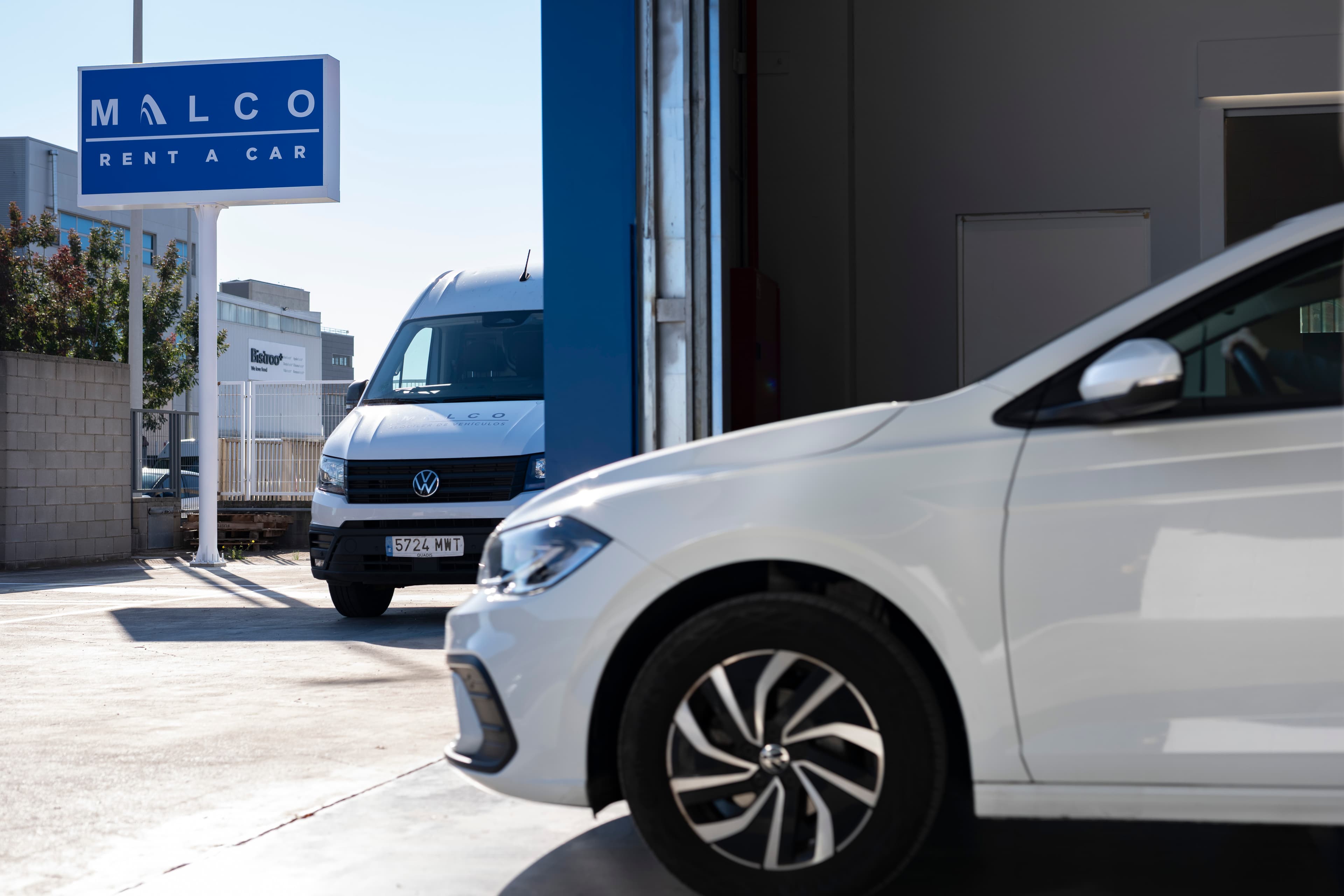
The moment you receive the keys is also when depreciation begins: a car can lose up to 20% of its value just by leaving the dealership.
How Much Does a Car Depreciate Each Year?
For most people, buying a car is the second largest investment they will make in their lifetime, right after their home. But there is a huge difference between the two: while a house tends to appreciate, a vehicle is an asset that loses value at breakneck speed. And that is something to keep in mind before taking the plunge.
Understanding how much a car depreciates each year is essential to making a smart financial decision. At Malco we will break down the depreciation curve of a car in detail, the factors that accelerate it, and why long-term car rental has established itself as the best strategy to "dodge" this loss of money.
What is car depreciation and why does it happen?
Car depreciation is the difference between the price you paid for the vehicle when buying it and the value it has on the second-hand market at a given moment. It is not an expense you see leaving your bank account every month (like fuel or insurance), but by far it is the biggest cost of owning a car.
From the moment the tyres touch the asphalt outside the dealership, the vehicle's value plummets. This happens because of physical wear, technological obsolescence and the simple fact that the car is no longer "new", but "used".
How much value does a car lose each year?
The same amount of money is not lost every year. A car's depreciation curve is much steeper at the start and generally tends to flatten out over time.
Immediate impact
As soon as the car is registered and driven off the lot, its value falls by roughly 18% - 20%. This is because, legally, the car is now second-hand and the buyer loses the amount corresponding to taxes (such as VAT) that cannot be recovered in a resale.
The first year: the hardest hit
If you are wondering how much a car depreciates per year during its early stage, the figure is painful. By the end of the first year, the vehicle may have lost between 25% and 30% of its original value.
From the second to the fifth year
From there on, the vehicle's depreciation percentage stabilises a little, generally falling between 10% and 15% per year.
- At 2 years: The car is worth around 60-65% of what it cost.
- At 5 years: An average car is usually worth barely 40% of its original price.
Factors that influence a car's yearly depreciation
Although there are general averages, the reality is that not all vehicles age the same financially. These factors determine whether your car will be a "leaky piggy bank" or hold a decent value:
How much money do you really lose?
To help you understand how much money you really lose when buying a car, the best thing is a practical example. Imagine you buy a car for €30,000:
- After the first year, you have "lost" around €7,500.
- After five years, your car is worth about €12,000.
In total, you will have lost €18,000 of equity just because of the passage of time. If you add the interest on the financing, insurance and maintenance, the cost per kilometre is sky-high. This is where the key question arises: is it really worth owning an asset that loses value so quickly?
Long-term rental as a solution to depreciation
The main advantage of long-term rental is, precisely, that depreciation stops being your problem. By choosing a rental contract, you are not the owner of the vehicle, so its loss of value on the second-hand market does not affect your pocket.
1. Zero risk for the user
When you sign a long-term rental contract, the monthly fee is fixed. You do not care if the second-hand market collapses or if a new technology comes out that makes your car worth less. The risk of a car's yearly depreciation is taken on by the rental company.
2. Forget reselling
One of the most frustrating moments for an owner is trying to sell their used car. Haggling, low valuations and the feeling of having lost a lot of money. With long-term rental, when the contract ends, you simply hand back the keys and, if you wish, drive away in a new one.
3. Flexibility in uncertain times
In today's context, where we do not know which environmental labels will be required in a few years, buying is risky. Malco's flexible long-term rental lets you adapt to these circumstances without being stuck with a vehicle that no one wants to buy in the future.
Summary table: residual value by age
Why long-term rental is your best financial ally
At Malco, we understand that mobility should be a service, not a financial burden. When you analyse how much value a car loses each year, it becomes clear that the traditional ownership model is increasingly inefficient for individuals and companies.
By choosing our services, you turn a variable expense and a depreciating asset into a fixed monthly fee that is also tax-deductible (for companies and self-employed professionals).
- No down payment: You do not deplete your savings on an asset that is worth less every day.
- All-inclusive: Insurance, breakdowns and maintenance are covered, so physical wear and tear is not an extra cost for you.
- Constant upgrade: You will always drive modern vehicles, with maximum efficiency and safety, avoiding obsolescence.
In conclusion, knowing how much a car depreciates each year is the first step to understanding that ownership is not always the best path. Yearly car depreciation is a "silent tax" that you pay for being the owner.
If you want to avoid this loss of wealth and enjoy the peace of mind of knowing exactly what you pay each month, long-term rental is the answer. At Malco we offer tailor-made solutions so you only worry about driving, while we take care of depreciation.
Estimate how much you would lose by buying your car

Pablo Rivera
Commercial Director at Malco Digital Group
Specialist in commercial strategies and business development in the mobility sector.